The Morning Calm
- an exhibition by 7 contemporary Korean artists, at The Gallery @ InKo Centre.
The Morning Calm
The Morning Calm an exhbition curated by independent curator, Insang Song, featuring 7 contemporary artists from Korea, focuses on the nature-friendly ideology as well as the quiet contemplative gaze integral to Korean traditional painting. Aligned to the calm before the morning breaks, the exhibition showcases myriad perspectives of this phenomenon through distinctive visual language,
As the sun rises, morning unfolds it's glory. Morning has many meanings. It can be a sign of a strong start to the day and it could also symbolise the moment of meeting a new world after a difficult period. Korean painting, based on Korea's nature-friendly traditional ideology, contains a contemplative gaze on nature and a quiet, still moment just before conceiving something. It resembles the unfolding of the morning. All seven Korean painters will display the phenomenon of the 'morning', through a distinctive visual language.
- Insang Song, Curator.
Featuring:
• Kim Chun Ok
• Hur Jin
• Song Keunyoung
• Cho Inho
• Yang Jeongmu
• Park Minhee
• Jeong Jun-kyo
The exhibition will open at The Gallery @ InKo Centre on Friday, 24 March 2023 at 6.00 p.m. IST.
The exhibition will be on view until Friday, 21 April 2023.
About the artists:
Kim Chun Ok
B.F.A Seoul National University., M.F.A Sejong University (Painting Department)
63 solo exhibitions. (1981~2022),
850 group exhibitions.
Participated in International Art Fairs (Köln, Chicago, New York, Seattle, Zurich,
Geneva, Strasbourg, Beijing, Shanghai, Singapore KIAF.)
Okgwan Cultural Medal awarded by President of the Republic of Korea.
Hur Jin
B.F.A, M.F.A. Department of Oriental Painting, Seoul National University (Major in Oriental Painting)
32 solo exhibitions.
Today's Young Artist Prize 2001(The Section of Fine Arts, Awarded by Ministry
of Culture & Tourism)
19th Heo Baek-ryeon Art Prize, Gwangju Metropolitan City Culture and Art
Awards (2015)
21st Yongbong Academic Awards (Chonnam National University, Gwangju),
2017.
37th Judge-selected Special Artist Prize (The Korean Association of Art Critics,
Seoul), 2017.
Currently, Professor of Department of Korean Painting, College of Fine Arts,
Chonnam National University.
Song Keunyoung
B.F.A & M.F.A, Department of Oriental Painting, Seoul National University.
18 solo exhibitions.
Participated in Art International Zurich, Shanghai Art Fair, Korea International Art
Fair, China International Gallery Exposition, Bridge Art Fair, Europ'ART,
The affordable Art Fair Singapore, The affordable Art Fair Milano.and in
300 domestic and international exhibition.
Cho Inho
BFA, MFA, and Ph.D Department of Oriental Painting, Seoul National University
Solo exhibitionsat various galleries/museums including Hanbyeokwon. Art
Museum (Seoul), KEPCO Art Center (Seoul), and Shin Hwa Gallery (Hong
Kong).
Participated in Jeonnam International SUMUK Biennale, Cheongju International
Craft Biennale and various art fairs including Art Busan and Asia Top Gallery
Hotel Art Fair.
Currently, Professor, Department of Oriental Painting, College of Fine Arts,
Seoul National University.
Yang Jeongmu
Ph.D, Department of Oriental Painting Hongik University, Korea.
16 solo exhibitions.
13 International exhibitions. (Korea, USA, German, China etc)
290 group exhibitions.
Currently, Professor at Sookmyung Women's University.
Park Minhee
B.F.A, M.F.A Department of Oriental Painting, Seoul National University.
12 solo exhibitions.
120 group exhibitions.
Participated in International Art Fairs: KIAF (Korea International Art Fair),
Affordable Art Fair Singapore(Singapore), Seattle Art Fair (Seattle, U.S.A),
Daejeon International Art Show(Daejeon) etc.
Jeong Jun-kyo
Graduated from Kyonggi University Painting Department, Department of
Psychology and Graduate School of Art and Design.
Ph.D. in Art Therapy from Calvin Graduate School of Counseling and
Psychotherapy.
11solo exhibitions, over group and invitational exhibitions abroad.
Currently, CEO of Counseling Psychological Research Center Namu and
Adjunct Professor at Kyonggi University College of Arts and Physical Education.
Artists Statement:
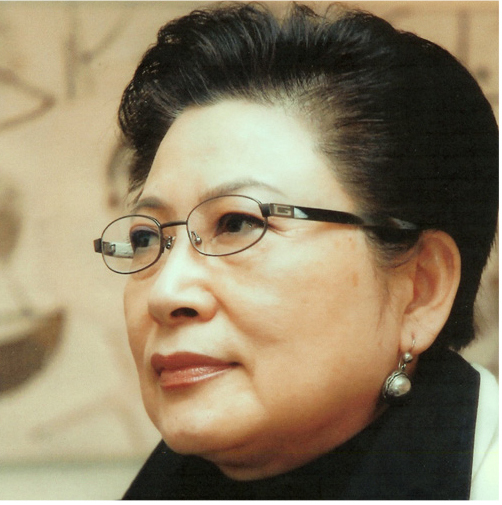
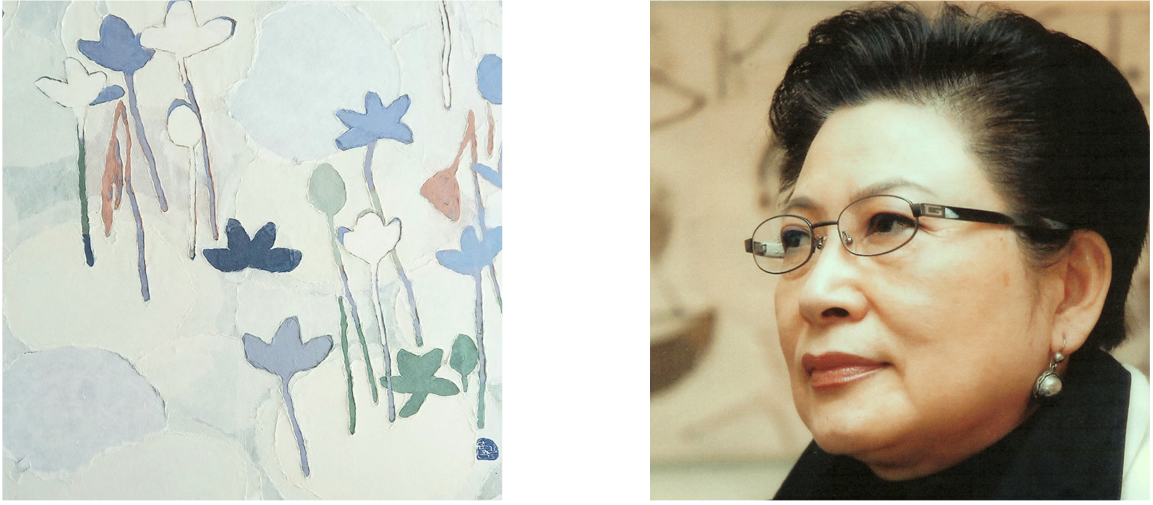
Kim Chun Ok's lotus paintings are inspired by the lotus in traditional Korean folk painting, but with her own interpretation. In Korean traditional folk painting, the lotus flower symbolizes the basic human desires such as fertility, abundance, happiness, and peace. The artist draws the lotus flower by layering several layers of thick Hanji paper and then using ink smears on top of it. She enjoys and gives meaning to the process of completing the work itself. The artist then interacts with the layers of paper, creating new connections and stories.
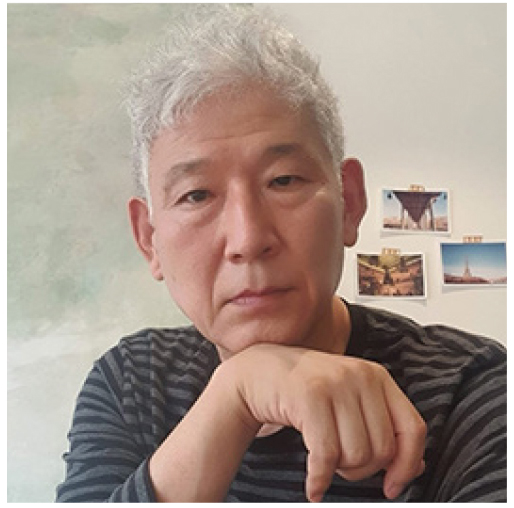
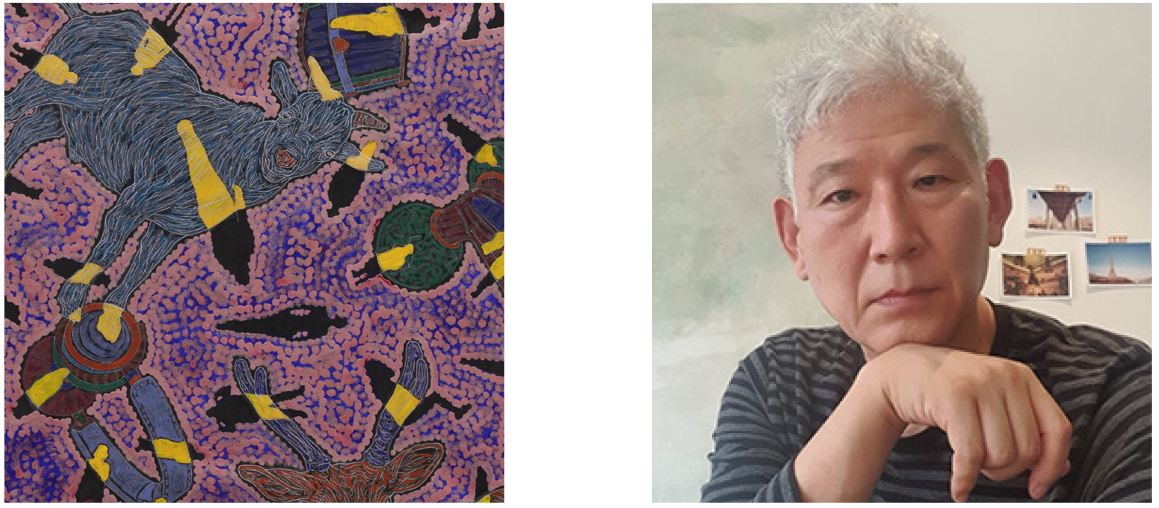
Hur Jin comes from a prestigious family of Korean painters, and his paintings are based on tradition, but he does not stop at inheritance, but brings a contemporary agenda to his work that traditional painters have not attempted. In his series "Nomadic Animals + Humans + Civilization," which is part of this exhibition, he emphasizes animals (zebras, deer) and gives them texture, while humans are monochromatic as a unit and float around the paper-canvas. This reverses the one-sided convention and reveals the artist's rebellious temperament.
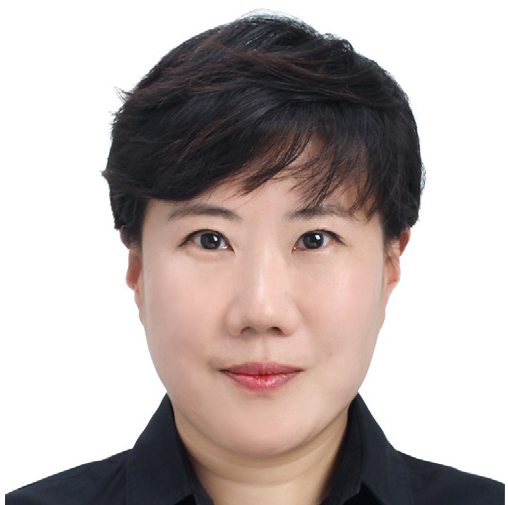
B.F.A & M.F.A, Department of Oriental Painting, Seoul National University.
18 solo exhibitions.
Participated in Art International Zurich, Shanghai Art Fair, Korea International Art
Fair, China International Gallery Exposition, Bridge Art Fair, Europ'ART,
The affordable Art Fair Singapore, The affordable Art Fair Milano.and in
300 domestic and international exhibition.
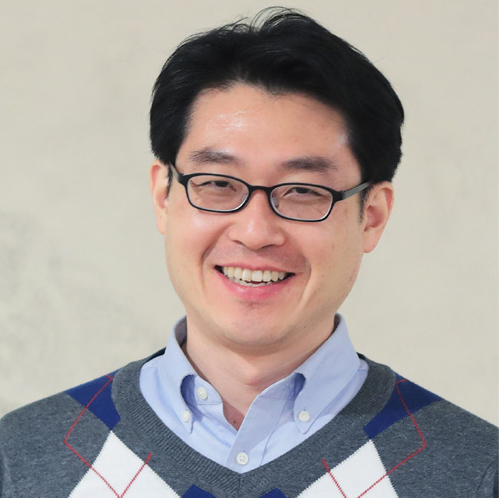
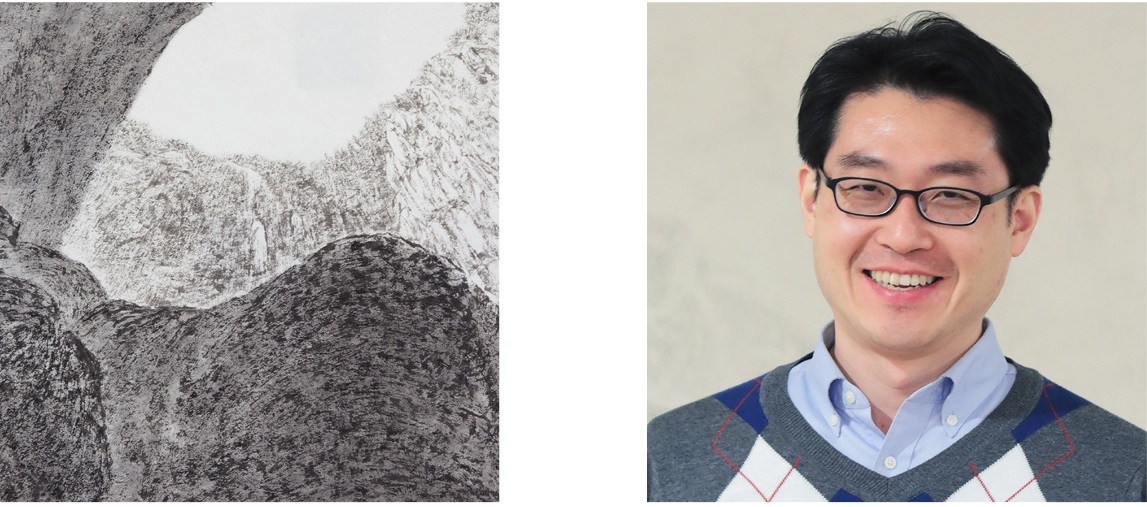
Cho Inho's paintings are ink wash paintings that contain his own individuality while faithfully following the traditional Korean
painting technique of paper, brush, and ink. His paintings are drawn by sketching the mountains he encounters in his daily life
and reconstructing them on the paper. As seen in the title of the work
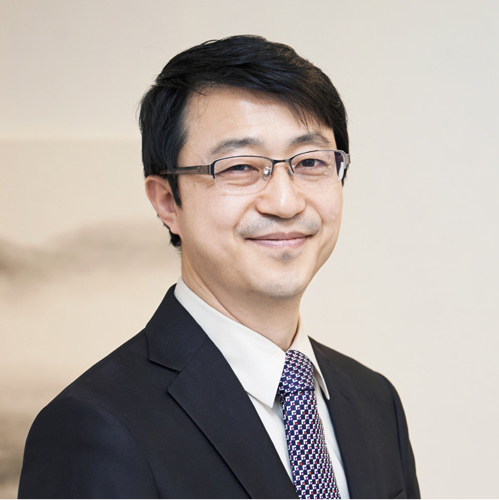
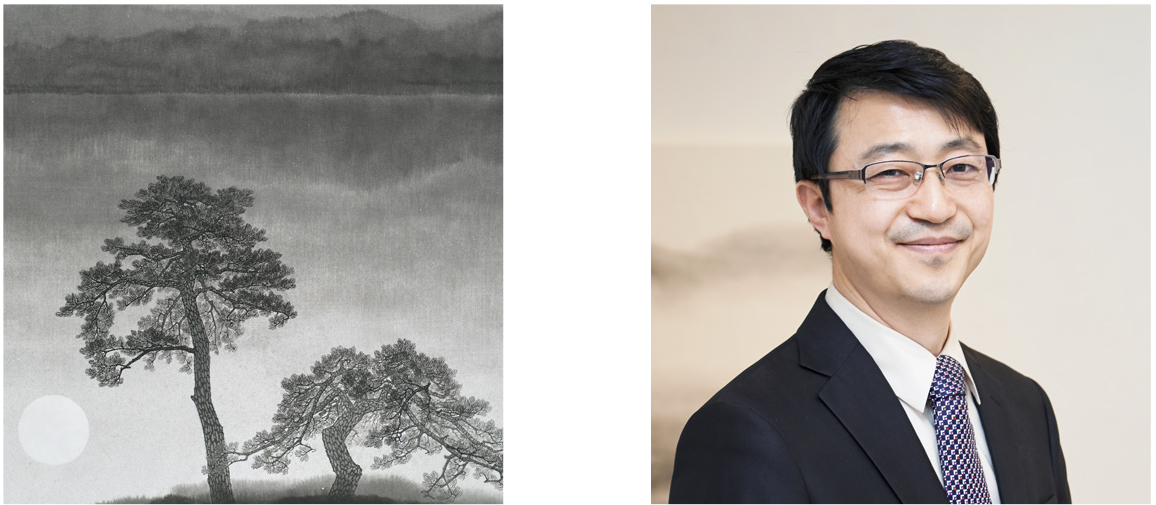
From the perspective of his religion, Yang Jeongmu's depictions of nature serve as a mirror to remind humans of their creator.
The artist believes that when humans encounter nature, they experience a purification of the mind and a restoration of the tired
and sick body. Perhaps that's why his landscape paintings, featuring pine trees and the moon, are so lyrical and serene, dreamy
and pure, and even mystical in their healing properties. Formally, they closely follow the techniques of traditional landscape
painting.
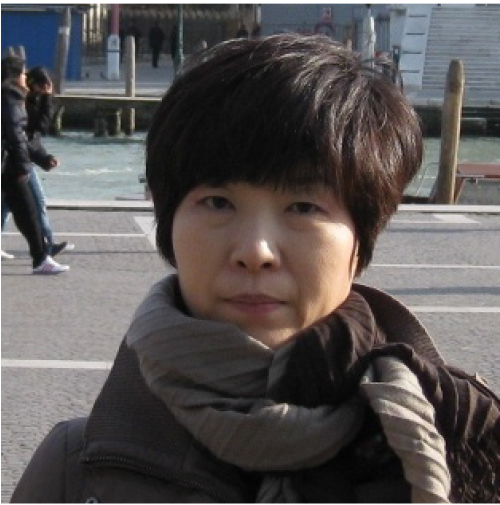
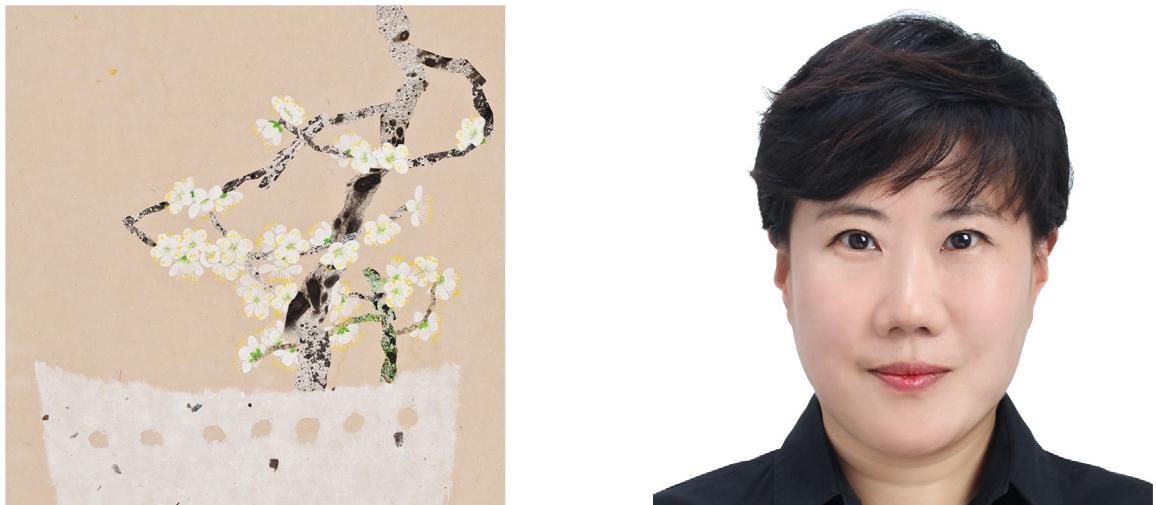
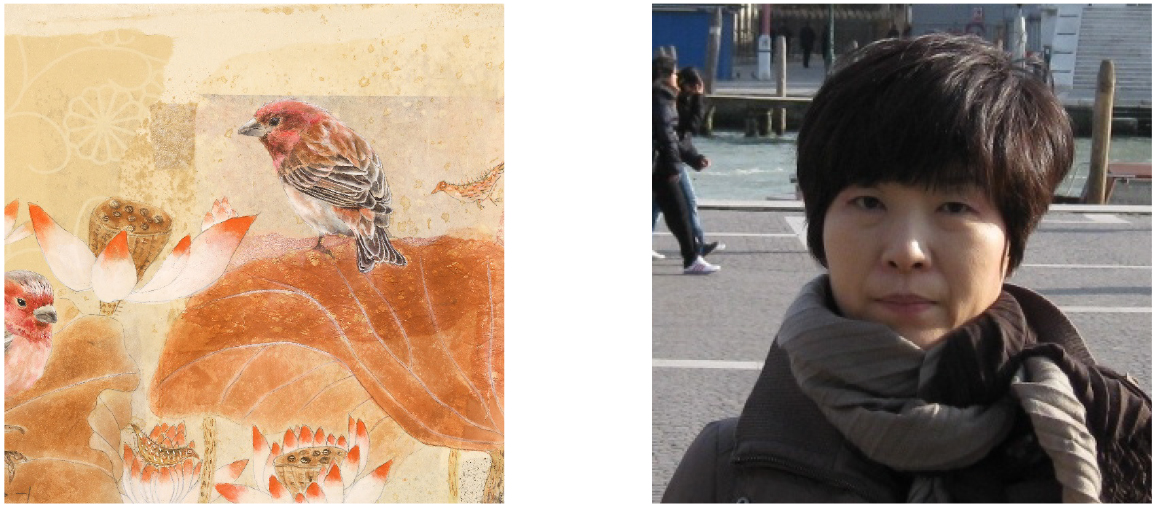
Park Minhee draws inspiration from traditional Korean patchwork porcelain and folk paintings to create her work. The artist takes the compositional method of dividing the color surface of a traditional carving board and processes it in his own way, pasting colored Hanji (Korean paper) in a collage format to bring out the unique texture of hanji, and reinterpreting birds and animals, which are everyday subjects in Korean folk tales, for today's viewers.
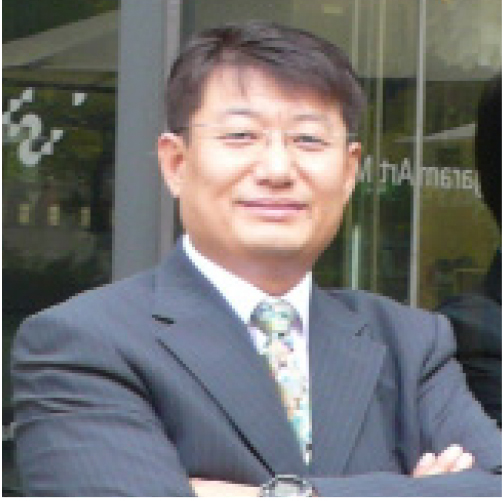
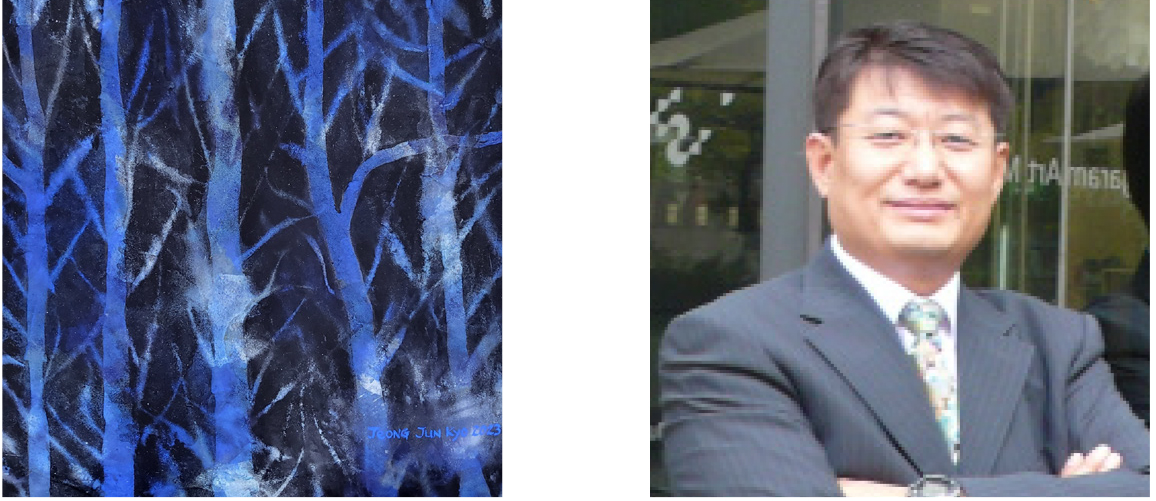
Jeong Jun-kyo's work borrows the symbolic symbol of the tree. The trees are references to trees in nature, but they are newly constructed as the artist interacts with nature, reflecting his aesthetic rooted in traditional Korean painting. His work is characterized by a mix of eastern and western techniques, primarily applying hanji to the canvas, adding acrylics, buncheo, and stone chips, and using ink to complete the tree.
About the Curator:
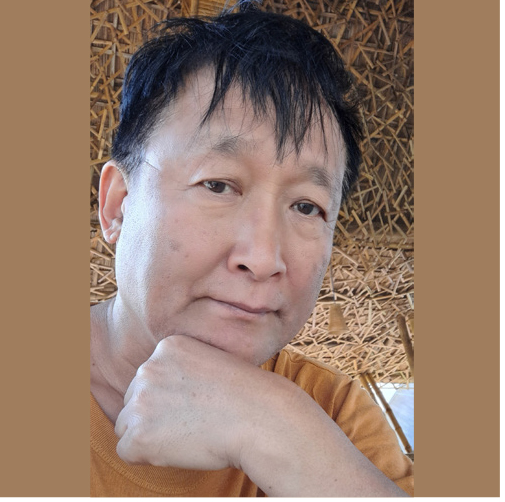
Insang Song is an independent curator based in Seoul and New Delhi. He worked in the Art Museum of Seoul Art Center for more than 22 years, during which period, he planned more than thirty exhibitions and events including Hybrid Trend (30 artists from India and Korea, Seoul Arts Center, Seoul, 2006), The Lamp of the East (presented by InKo Centre at Lalit Kala Akademi, Chennai, 2010), Pink City Art Project (Jkk, Jaipur, India, 2011), While working as Art Director at the Korean Cultural Centre India (2012-2016), he curated Moving Korea (Korean Cultural Centre India, 2012), AMMA UMMA (India International Centre, Delhi, 2013). 1 L0tus 8 _Korean Zen Buddhism and Bodhidharma, (National Museum New Delhi, 2015). Chilika Art Sanctuary (tribal and folk painting from 7 countries, Odi Art Centre, Odisha, 2020-2021). He is currently is curating independent art projects and researching Indian tribal and traditional art.
About the Korea Painting Association
The Korea Painting Association was instituted for the purpose of promoting the excellence of Korean painting that reflects the aesthetic consciousness of the Korean people and to contribute to the development of Korean painting. This organization annually presents the 'Korean Painting Day' event and regularly holds exhibitions and academic events related to Korean painting